Race Day Ready: Your Ultimate Guide to Brick Workouts for Beginner Triathletes

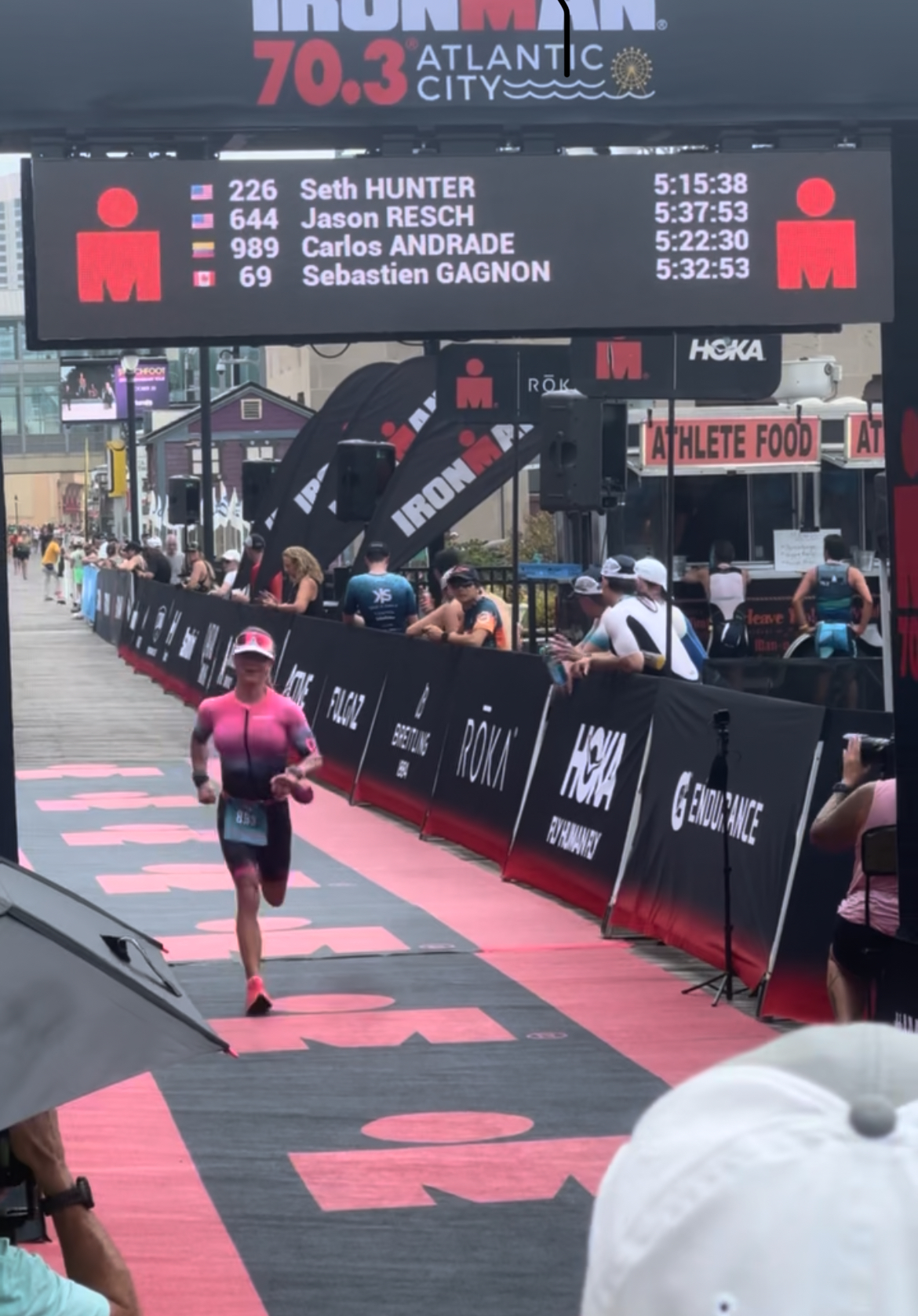
Entering your first multisport event is a big deal! For some, it takes months or years to pull the trigger and enter a race. If a duathlon or triathlon are on your radar, I’m here to help. Whether you’re still contemplating your race, recently signed up, or are learning the ins and outs of the sport, read on. Bricks will play a key role in your training progress to make you race day ready. This guide to brick workouts for beginner triathletes will help!
MY FIRST DUATHLON
The race was the Delaware Valley Duathlon in Quakertown, PA. This course consisted of a 5K run, 25K bike, and 5K run. Being brand new to the sport, I had little idea what to expect. I listened to the conversations that other athletes were having around me. Naturally I started talking to whoever would listen.
One of the girls nearby had raced this course before. Her advice was simple – pace yourself on the first leg, take advantage of the downhills on the bike, and save some gas in your legs for the final run. Pennsylvania graces its racers with natural beauty around every turn, as well as some steep climbs.
When the gun went off I bolted out in similar fashion to a 5 year old in a one-mile fun run. I felt great and kept my pace for most of the first 5K. When I got onto the bike, I did my best to heed her advice on the hills. But here I am six years later and I still ride downhill with caution.
The climbs on the bike caught up with me for the final leg of the race. I moved through transition as best I could and hoped to set a pace similar to the first 5K. I thought I was going to tumble over my feet as I began the run. It took me a few strides to find my footing. About three minutes in, I still wasn’t sure if I would be able to run 5K. Eventually my running mechanics fell into place and I was picking up the cadence.
If you’ve already raced a duathlon or triathlon, you know what I’m talking about! My goal is to help you unlock your potential through the power of incorporating brick workouts into your training.
FIRST THINGS FIRST – GETTING STARTED IN TRIATHLON

If you’re new to the sport, it can feel overwhelming. From learning to swim, knowing how to train, buying a bike, anticipating what to expect on race day, packing your bag for race day, and everything in between – it can feel like a whirlwind. Here are a few pointers to keep in mind:
- Make time in your schedule to train for all three disciplines.
- Swim, bike, and run are the most commonly discussed disciplines. But you will also want to incorporate strength training, recovery, nutrition, mindset, and practicing your transitions.
- Have a support system, whether it’s friends, family or your local triathlon club. Training and racing feel a little less scary when you’re not alone.
- Don’t worry about being perfect, just be prepared!
- Practice for race day! Don’t do anything on race day that you have not done in training.
- Take the guesswork out of it and hire a coach.
- Always know that you are stronger than you think you are and capable of so much more than you could ever believe.
The traditional order of events in a triathlon is swim, bike, then run. The transition from swim to bike can be disorienting. I often leave the water feeling a little dizzy, depending on the distance. However, this does not usually have a huge impact on your transition and bike performance. Check out the post on mastering transitions for some tips!
The transition from bike to run should be practiced, and that is where bricks come in. This transition is not solely coming from a technical standpoint like swim to bike when you are ripping off your wetsuit and switching to bike shoes and helmet. When your body transitions from bike to run, your muscles and mechanics have to adjust.
Overall, transitioning from biking to running in a triathlon requires a rapid adjustment in muscle activation, recruitment patterns, and biomechanics to effectively transition from one discipline to another while optimizing performance and minimizing the risk of injury. Proper training, conditioning, and transition practice are essential for a smooth transition and optimal performance in the run leg of your triathlon.
WHAT EXACTLY IS A BRICK?
A brick workout is when you closely follow your bike with a run. This can be done in a variety of ways. You may perform a 20-minute run off the bike (ROTB), or you may execute multiple rounds of bike-to-run sets.
So where does the term “brick” come from?
One explanation is that your legs feel like a ton of bricks when you are done with the workout. Another one being that these workouts are like bricks laying the foundation of your training for race day. It has also been used for the acronym bike-run-in-combination; and another explanation is that Dr. Matt Brick gave this term to his bike-run and run-bike sessions while training for a duathlon. Wherever it came from, you will want to include them in your training!
As mentioned earlier, you do not want to try something new on race day. When I ran my first duathlon, I was not prepared for the ROTB. While I did incorporate some bike-to-run transitions in training, it did not compare to the fatigue my legs felt after biking hills on race day.

BRICK WORKOUTS
Depending on the distance you are racing, you will want to include specific types of bricks. Other things will come into play, such as your training availability, training background, susceptibility to injuries, race timeline, and other individual circumstances that you may be working around.
While training for duathlon and sprint distance triathlon, I have found that multiple sets back and forth of bike-run worked best. For Olympic distance, I would still include some sessions where you oscillate between bike and run, and then progress to a single ROTB as the ride distance increases. At the middle distance and full Ironman, it is most common to see a longer ride with a shorter ROTB and your long run scheduled for a different day during the week. But again, everyone’s schedule is different and for the weekend warriors, this is not always possible.
Brick workout samples
When putting together your training plan, you will want to establish your training zones. Training zones refer to specific intensity levels at which you train during your workouts. These zones are typically determined based on a percentage of your maximum heart rate, lactate threshold, or functional threshold power (FTP), critical swim speed (CCS) depending on the discipline (swimming, cycling, or running). Each zone corresponds to a different physiological adaptation and training effect. The purpose of training in different zones is to target specific aspects of fitness, such as aerobic endurance, lactate threshold, or speed. By structuring workouts around these zones, you can optimize your training to improve performance and achieve their goals efficiently.
As a general guideline, here is what zones one through five might look and feel like:
- Zone 1 – Recovery/Easy: This zone is all about gentle exercise. You can easily hold a conversation while training in this zone. It’s great for recovery days or warm-ups and cooldowns. Think of it as a relaxed pace.
- Zone 2 – Endurance/Aerobic: In this zone, you’re still comfortable, but you’re starting to work a bit harder. You can sustain this effort for a while and still hold a conversation, albeit with a little more effort. It’s excellent for building aerobic fitness and endurance.
- Zone 3 – Tempo/Moderate: This zone is a moderate effort level where you’re breathing noticeably harder, but you can still maintain the pace for an extended period. You can speak in short sentences but can’t hold a full conversation comfortably. It’s good for improving your lactate threshold and stamina.
- Zone 4 – Threshold/Hard: Here, you’re working at a hard effort level. Breathing is heavy, and conversation is difficult. This zone helps push your limits and improve your lactate threshold, allowing you to sustain higher intensities for longer periods.
- Zone 5 – Anaerobic/Maximal: This is your maximum effort zone, where you’re pushing yourself to the limit. Breathing is very heavy, and speaking is nearly impossible. You can only sustain this effort for short bursts, making it ideal for high-intensity interval training (HIIT) and improving your speed and power.
Multiple Sets – Option A
- 15 minute warmup on the bike (Z1/Z2)
- 3 x (Bike 10 minutes Z4/2 mins Z2; Run 5 minutes Z3/3 minutes Z1)
- 5 minutes Z1 cool down
Multiple Sets – Option B
- 10 minute warmup Z1/Z2 run
- 4 x (Bike 10 minutes Z4; Run 6 minutes Z3/2 minutes Z1)
- 5 minutes Z1 cool down
ROTB – Option A
- Bike: 20 minutes Z2; 4 x (10 minutes Z4/2 minutes Z2); 10 minutes Z2
- ROTB 20 minutes as 10 minutes Z2/10 minutes Z3
ROTB – Option B
- Bike: 20 minutes Z2; 2 x (30 minutes Z3/5 minutes Z2); 10 minutes Z1/Z2
- ROTB: 20 minutes Z2 heart rate
*Note: Depending on where you are at in your training and the distance you are racing, the duration and intensity will have to be adjusted. These are just examples of how a brick session may look.
HOW TO INCORPORATE BRICKS INTO YOUR TRAINING CYCLE
When laying out your training program, I recommend incorporating bricks into your schedule on the weekend, as this is usually when we have the most free time for training and recovery. Either way, try to plan it on the day that you can perform your longest bike ride or longest workout.
Here are some tips to help you integrate them effectively:

- Schedule strategically: Plan your brick workouts at least once a week, preferably on days when you have more time to dedicate to training. Consider scheduling them after your longest or most intense workouts to simulate race-like fatigue.
- Start gradually: If you’re new to brick workouts, start with shorter sessions and gradually increase the duration and intensity as your body adapts. Begin with shorter distances for each discipline and gradually increase the duration over time.
- Focus on specificity: Ensure that your brick workouts mimic race conditions as closely as possible. This means transitioning directly from one discipline to the next without long breaks in between. Aim to replicate the transitions you’ll experience on race day.
- Plan transition practice: Dedicate specific time within your brick workouts to practice your transitions. Set up a transition area with your race gear and practice smoothly switching between disciplines, including changing shoes and gear efficiently.
- Mix up distances and intensities: Incorporate a variety of distances and intensities into your brick sessions to simulate different race scenarios. Include shorter, faster bricks for speed work and longer, slower bricks for endurance building.
- Listen to your body: Pay attention to how your body responds to brick workouts, especially as you increase their duration and intensity. If you’re feeling excessively fatigued or experiencing pain, scale back or adjust your training accordingly to prevent injury.
- Recover properly: Brick workouts can be taxing on the body, so make sure to prioritize recovery afterward. Include adequate rest, nutrition, hydration, and recovery modalities such as stretching, foam rolling, and massage to support your body’s adaptation and recovery process.
- Track progress: Keep track of your performance and progress in your brick workouts to monitor improvements over time. Note any changes in your transition times, perceived effort, and overall performance to adjust your training as needed.
Incorporating brick training into your triathlon program is a game-changer, enhancing your readiness for race day and improving overall performance. By seamlessly transitioning between disciplines, you’ll develop the physical and mental resilience necessary to face the challenges of triathlon.
However, to truly unlock your potential and tailor your training for optimal results, consider enlisting the expertise of a coach. A knowledgeable coach can provide personalized guidance, structure your training plan effectively, and offer invaluable insights to elevate your performance. This post is to give you some guidance and direction, but with the support of a coach, you’ll experience a journey of growth, pushing your limits, and achieving your triathlon goals with confidence. If you’d like to learn more about how you and I can work together to unlock your potential, send me a message to get started. Your success awaits!