Optimize Your Triathlon Transitions with These Helpful Tips
My GOAL: To help newer triathletes navigate triathlon transitions for their first race or improve going forward. If you’ve been racing for some time, but could use a few pointers, this blog is for you too! We were all there, with months of training behind us, the big day approaching, nerves all over the place, and then you realize you haven’t given much thought to your transitions. Don’t make the mistake of just winging it on race day. Give it attention and roll into race day with as much confidence as possible in all areas of the race.
My WHY: Racing brings on SO many emotions. Excitement, fear, anxiety, confidence, doubt…if feelings were a rainbow, you’d be coloring the sky. I didn’t give much thought to my transitions when I first started racing, even though I heard it was an important part of the race. While you can absolutely perform well with some hiccups along the way, read on for tips to master your transitions.
THINGS THAT CAN GO WRONG SOMETIMES DO – NO MATTER HOW MUCH YOU PREPARE
The reality is that things don’t always go as planned on race day. I’ve made some careless moves – your brain is all over the place, you may have slept poorly the night before, and you’re excited to get the race started. The forecast changes, and now it’s pouring rain when you had your heart set on sunshine. You made your list, and checked it twice, but somehow still forgot your race belt. You get the idea.
Not once, but TWICE, I forgot to close my hatchback as I made my way to transition. The first time I did it, I forgot my goggles in my car – again, your brain is all over the place. I ran back to my car just before the swim-start to grab them and found my trunk wide open on the main road. The second race I did this at, I didn’t return to my car until hours later after the awards on a rainy day to find my car wide open again. Race brain!

Now imagine you’re coming out of the water, maybe a little dizzy from the swim, trying to navigate through transition to find your bike. Your eyes scan the racks for your setup. You can’t find them. Where did you rack your bike? Where the actual F is the bike exit? You panic for a moment, and then remember your race number is on your leg, and the racks are all numbered. Yay, crisis averted.
T2, your final transition, is when you transfer from bike to run. I’ve seen people leave transition with bike helmets on, forgetting their race bib, running in bike shoes – it can happen! Pair that with feeling like a baby deer taking its first steps, and it’s something you will want to prep for. This is why incorporating brick workouts into your training program will be key. The transition from bike to run takes adjusting to.
Practice, Practice, Practice
You want to dedicate time during training sessions specifically for transition practice. Simulate the transitions multiple times to get comfortable with the process and minimize the risk of fumbling on race day.
This doesn’t have to take a ton of time. If you plan to swim in a wetsuit, you want to practice getting it off efficiently. Don’t let the first time you wear a wetsuit and take it off post-swim be on race day. I swim at the lake or at the river and will practice by jogging out of the water to my bag while unzipping and pulling off the top portion of my suit. I’ll run to my bag with the top half of the suit off my body and then work the rest off once I’m by my towel. Practice makes progress, so see what feels smoothest for you. Trust me, nobody cares if you look like an idiot. Most people swimming at lakes and open water swims are triathletes, and they get it.
Use Elastic Laces for Running Shoes
Replace traditional laces with elastic laces for your running shoes. This allows for a quick slip-on and secure fit without the need for tying knots. It shaves off valuable time in transition, and you never have to worry about untied shoes on the course.
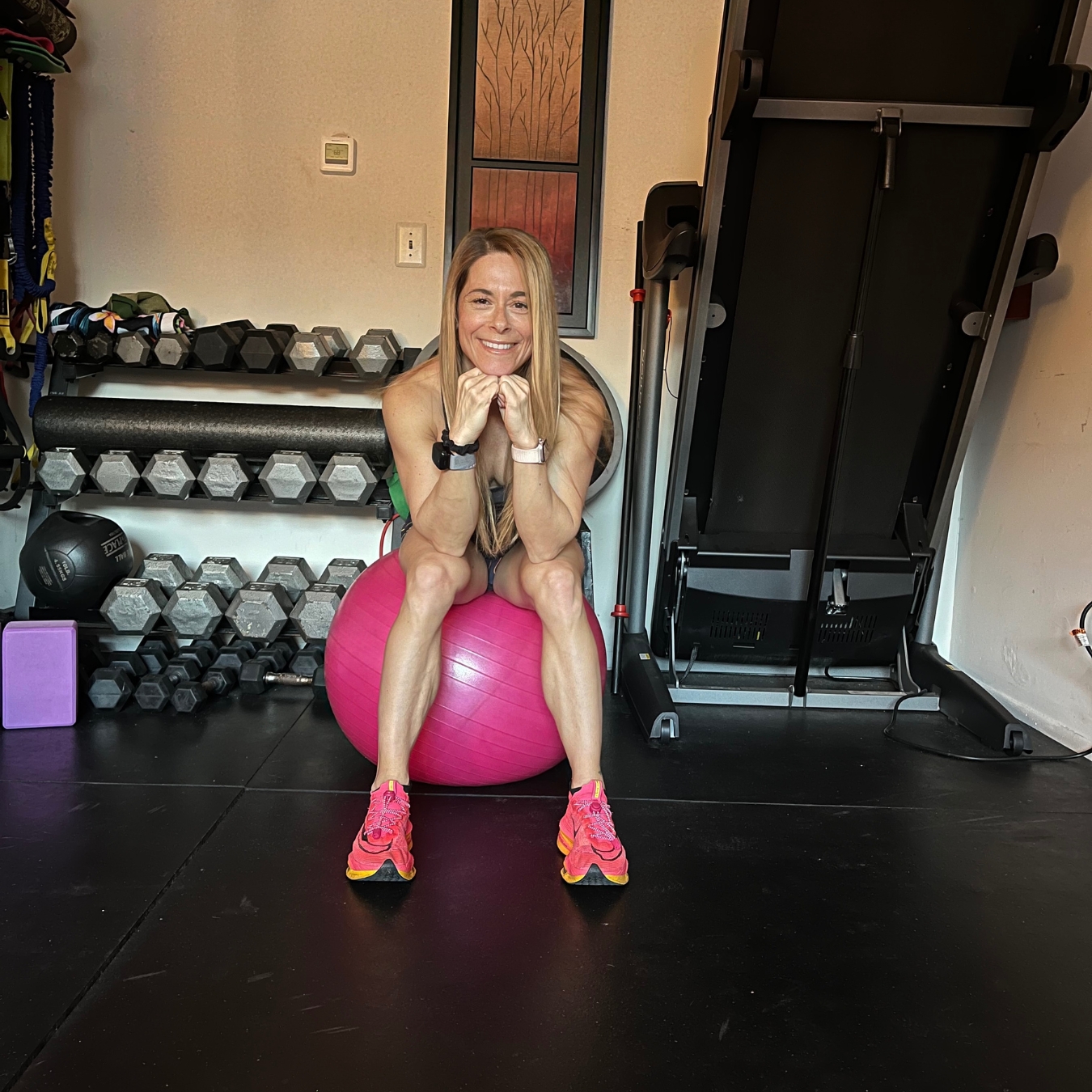
I now do this with most of my shoes, regardless of racing or training. It’s fast and easy. Plus, I love adding pink wherever I can, and this allows me to have pink lock laces on all my shoes. Win-win!
Use a Triathlon-Specific Transition Bag
Invest in a triathlon transition bag that is designed to keep your gear organized. These bags often have separate compartments for each discipline, making it easier to grab what you need without wasting time.
The Zoot tri bag is super helpful because it has a checklist on the inside flap, along with a plastic compartment for my wetsuit, a harder zip cover for my helmet, and two mesh compartments to easily see what’s in each. (Please note, that while I am a part of Team Zoot – I do not get paid for any of these recommendations.)
One thing that helps me with checking off my triathlon checklist is having a small drawstring bag for my bike gear and one for my run gear. With a black sharpie, I write BIKE and RUN on the designated bag. You can take it a step further and write down what should be in each bag (ie, shoes, socks, visor, sunscreen for your run bag).

Organize Your Transition Area
Lay out your gear in a systematic and organized manner. Use a brightly colored towel to mark your space. Arrange your items in the order you’ll need them. I love my Zoot transition towel for its bright colors that make it hard to miss. On my towel, I place my bike shoes further out since I’ll need them first.
I keep my sunglasses in one shoe so I have to put them on first. If you ever forget your sunglasses, you’ll likely never want to make the mistake again for the bike leg. I did it once and ended up with the sun, wind, and bugs in my eyes – not enjoyable. My run shoes go behind my bike shoes and I lay my race belt on top, along with my visor.
This type of setup helps you quickly locate and access what you need. Again, play around with your layout and make sure it makes sense to YOU.
Know the Layout of the Transition Area
Familiarize yourself with the layout of the transition area before the race. Identify key landmarks or reference points to quickly locate your area. This helps reduce confusion during the race and also gives you something to focus on, which might help calm some pre-race nerves. I count the number of racks from the swim in, if that makes sense with the layout of transition. I also try to arrive early if it’s not preassigned racking so I can get a spot near the end rack, closest to where I’ll be running in and out of transition.
Stay Calm and Focused
Maintain a calm and focused mindset during transitions. Avoid panicking or rushing, as this can lead to mistakes. Take a deep breath, stay composed, and focus on the task at hand.
One tip I learned along the way is to have your race belt buckled and pull it over your head like putting on a shirt when transitioning to your run. I used to fumble when fastening it around my waist and would get so frustrated with my inability to clip the damn thing. I was not staying calm and was totally losing focus on the race.
Advanced Option: Pre-Attach Your Bike Shoes to the Pedals
This tip is NOT for everyone, and is not always necessary. If it’s not practiced, it can lead to fumbling, anxiety, or worst case a crash, resulting in added time to your race. However, if you use cycling shoes with cleats, and you are confident mounting, dismounting, and riding with one hand on the bar, consider pre-attaching shoes to the pedals. This allows you to start cycling immediately without spending time putting on your shoes in the transition area. But again – use this tip wisely, as it is not always a time saver worth trying if you are just getting started and not 100% comfortable on your bike. You can check out a video on how to attach your bike shoes here.
Have a Backup Plan
Prepare for unexpected situations. For example, have a plan if your equipment malfunctions or if the weather conditions change. Being adaptable and having contingency plans can make transitions smoother. For example, I will leave a garbage bag in my transition bag in case of rain. I know your clothes are going to get wet regardless, but it’s a good idea to keep them as protected as possible. And sometimes it rains while you’re in the water or on the bike and it dries up for the run. If you can have somewhat drier shoes for the run, you’ll be a happier racer.
BONUS TIP!

Bring cookies! Or whatever you might want to reward yourself with after the race. I ALWAYS bring cookies to my races. Obviously because I love them, it’s become part of my race prep, and it’s my little treat to myself for making it through the finish line. Yes, you will have food options post-race by the event organizers, and maybe you have a meal planned with friends and family, but if there’s something that will make you smile after your hard work, leave it with your transition bag as an extra F YES, you did it!
By incorporating these tips into your training and race preparation, you’ll be better equipped to master the triathlon transitions and enhance your overall race experience. Have any questions or tips for perfecting your transitions? Drop a comment! I’d love to hear them.