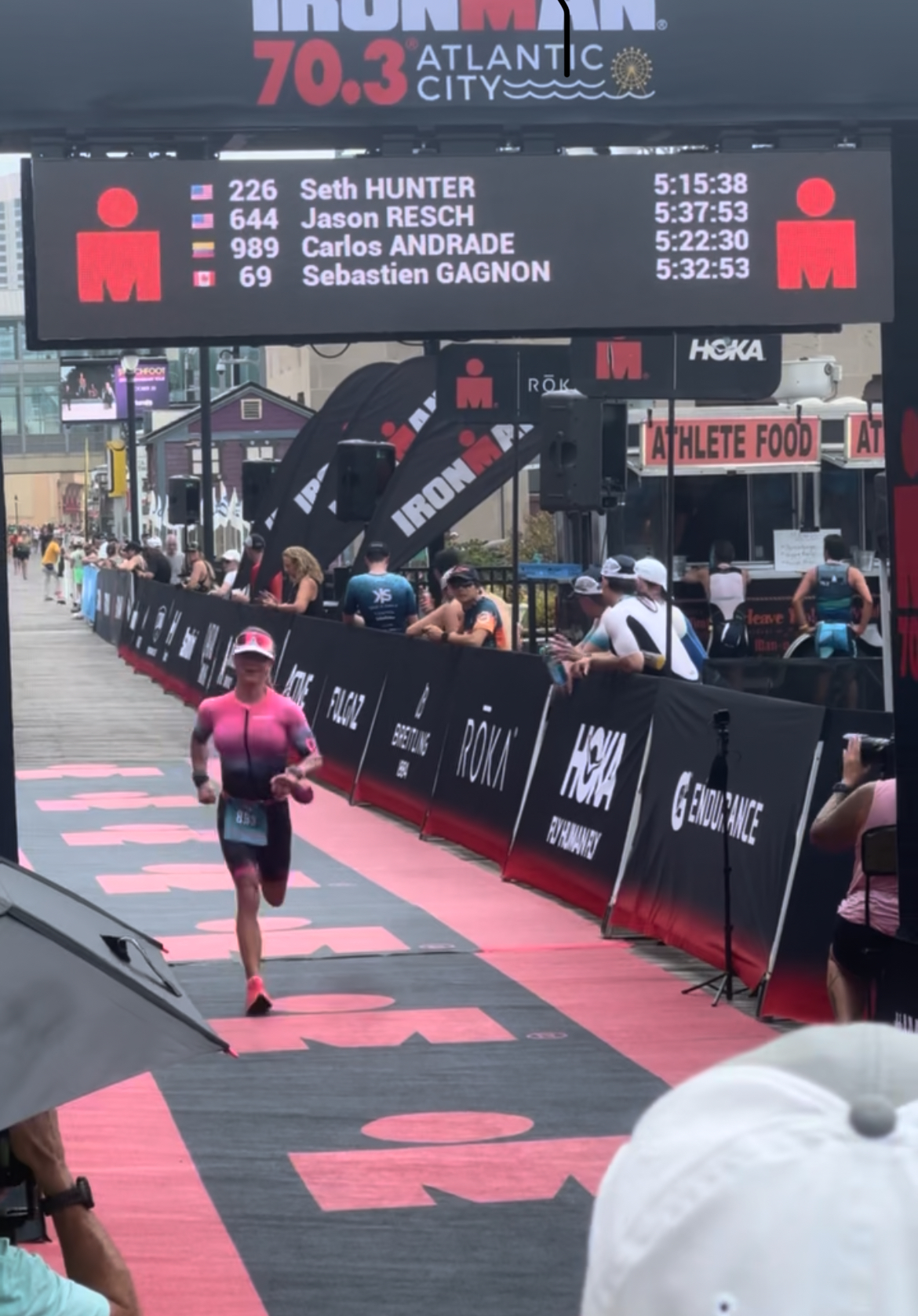
Transitioning from Runner to Triathlete
Running is one of the most popular and easily accessible sports in the world. Do you have running shoes and clothes? Is there a safe path or sidewalk for you to run on? Lucky you, you can become a runner! You will not break the bank on clothing and hi-tech gear (or at least you do not have to), and odds are you can find a buddy or run group for accountability.
Whether your goal is to lose weight, relieve stress, improve endurance and heart health, complete a 5k, or find a sense of community, running has a place for you. It is the most common entry point for all endurance sports, so it only makes sense that many triathletes were runners first.
I am one of those triathletes. I have been a runner for over 25 years, and I am so grateful that it led me to triathlon. If you have been toying with the idea of testing the waters, let this be the year that you take the leap. Trust me, you can do it.

Bring on the Bike
Of course, one of the first things you will want to do is invest in a road bike or triathlon bike. My first bike was a road bike – a Kuota Kharma. I made tiny upgrades by changing out the saddle and clipping on aero bars, which are budget-friendly ways to give yourself a competitive edge when starting out.
I found my bike on Facebook Marketplace. For my budget-conscious readers, you can absolutely find a stellar intro road bike through online spaces like Marketplace or Mercari, among others. I would suggest if you want to find the best deal, research and negotiate with the support of a friend or someone who is savvy with bikes and online purchases, if you are not. Otherwise, visit your local bike shop and find the right fit. You can often find great deals on bikes from season’s past, along with additional education on accessories you’ll want for training and race day.

Welcome the Water
Swimming is often the scariest or most challenging aspect of transitioning to triathlon. That’s why I started racing duathlon when I first decided to move beyond running. I was terrified of the idea of open water. Honestly, five years later, and I still have to give myself pep talks and stay away from Google. It’s amazing the things I’ve Googled along the way when preparing for open water swims. It is highly unlikely to come across a shark while swimming in a fresh water lake, if you are concerned.
I have learned to love the process of becoming a stronger swimmer. I believe that if I was able to get out of my own way with swimming, you can too.
The assumption here is that you do not have a strong swimming background – for some, taking up triathlon may be the first time you’ve really swam much at all. If you have zero experience swimming, I would recommend finding a swim coach to assess your form and make sure you can safely swim 25 yards without stopping. You do not want to make it halfway across the pool and then panic that you cannot finish the lap. If your pool has a shallow lane, you can start there for extra security, and the lap lanes are another safety net, if you really need them.
You want to start off feeling as comfortable as possible, so when in doubt, hire a coach! Poor form and technique in the water will always hold you back from your full potential.
Swimming is not nearly as expensive as the bike portion can become. You will want to buy a swimsuit or two (I love zootsports.com for my bathing suits). Definitely get yourself a swim cap and goggles. You may also want to invest in a pull buoy, fins, and a snorkel. Paddles come in handy, as well, but you might not use those right away.
This is not a sponsored plug: two resources that I used when working to improve my swim were Effortless Swimming and Scale Swimming. I already had a decent base, but wanted to work more on my technique and build structure into my swim sessions. You do NOT want to go to the pool and just swim laps without any drills or plans. One, it’s boring as hell, and two, you will not get much out of it.
Top Tips to Keep in Mind
- You will now be making time to train three disciplines. Let go of the idea of running five-plus times per week.
- Connect with your local triathlon community. I joined the Jersey Shore Triathlon Club, and it was the best thing I could’ve done for my swim and creating connection to more athletes.
- Incorporate strength training that addresses the needs of each discipline.
- Include flexibility work that improves range of motion in areas that are impacted by each sport. Hip flexors and shoulders are the most common areas that need attention, but don’t neglect your calves, lats and other body parts – everyone is different.
- Enlist the help of a professional – swimming is so much more about technique than cardiovascular fitness. Of course you need cardio strength, but if your technique is shit, your endurance will not mean much.
- Nutrition is paramount. You can’t out-train a bad diet, and fad diets don’t typically work when it comes to endurance sports. You want to eat to train – don’t train to eat.
Bricks
One final thing to cover is incorporating bricks into your workout. It’s called a brick because you will feel like your legs are bricks when you are done! Or they’ll feel like bricks after a round or two, but this is a great way to mentally and physically prepare for what will happen on race day. You do not want to go into your first duathlon or triathlon without practicing this. Even though I added in bricks before my first duathlon, I still felt like a baby dear when I started my run off the bike. It was awful. I was pretty certain I would fall over, and I wasn’t sure I would make it through the final 5K. I did, but it took me what felt like an eternity to really feel like my legs were beneath me again – it was really about 3 minutes. Eventually you get (sorta) used to it.
A final reminder for you is to look into joining your local triathlon club. I promise, they will welcome you with open arms. You will get to take part in group workouts, and for me, being able to participate in group open water swims was a game changer when I was training for my 70.3. I highly recommend this!
At the end of the day, have FUN, enjoy the process, and never give up! It won’t always feel good, it should not be easy, but it will 100% be worth every stroke, pedal, and step along the way.